The Rise of Ethical Entrepreneurship in the Digital Age
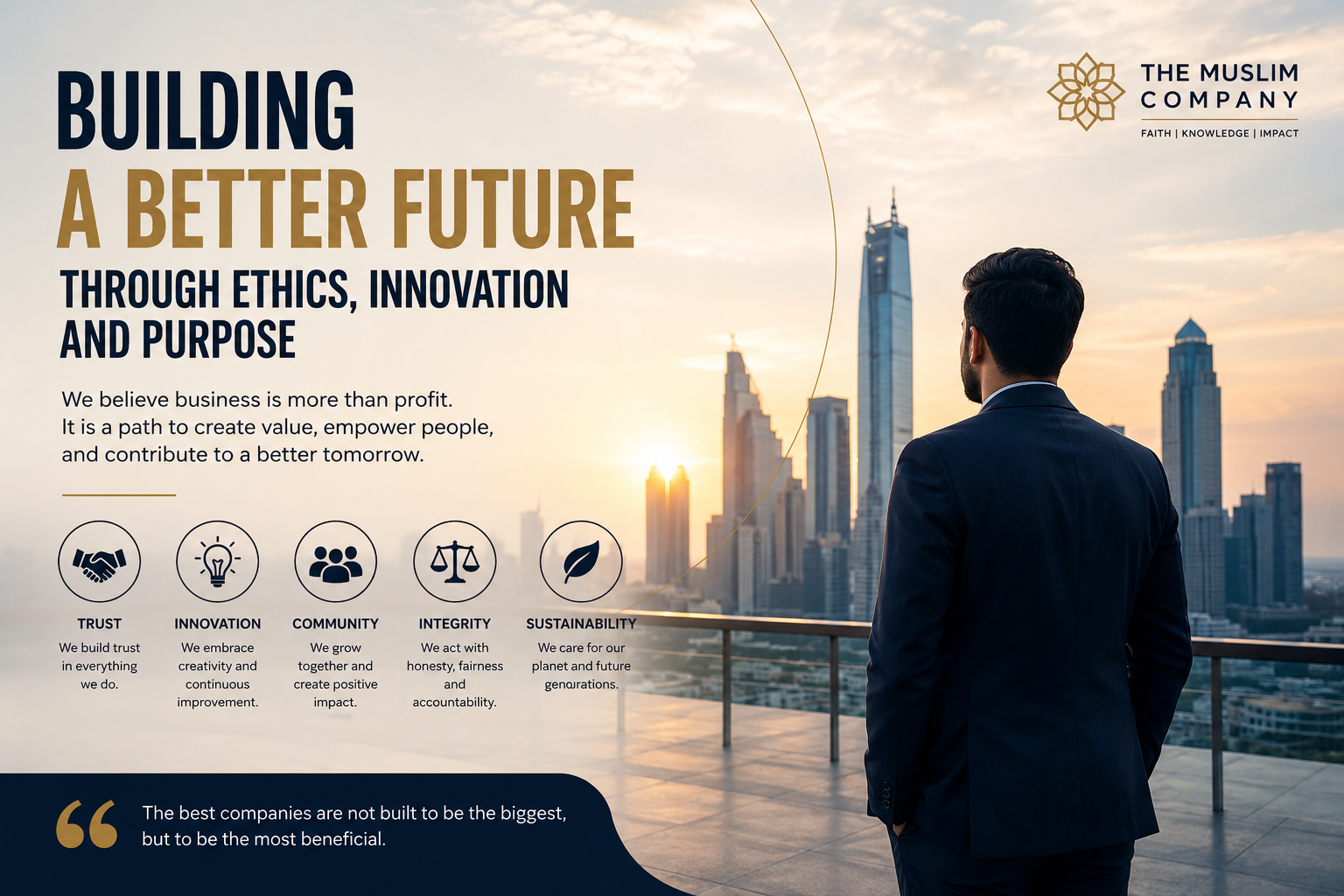
The digital revolution has transformed how businesses are built, scaled, and connected with customers. Yet technology alone does not guarantee long-term success. The most respected organizations of the future will be those that combine innovation with ethics, growth with responsibility, and profit with purpose. Ethical entrepreneurship is emerging as a powerful model for sustainable business in the modern world.
The Rise of Ethical Entrepreneurship in the Digital Age
The world is experiencing one of the most significant economic transformations in history.
Digital technologies have lowered barriers to entry, connected global markets, and created unprecedented opportunities for entrepreneurs. A startup founded today can reach customers across continents, build international partnerships, and compete on a global scale.
However, as technology accelerates business growth, a critical question emerges:
What kind of businesses are we building?
Success in the digital age should not be measured solely by revenue, valuation, or market dominance. Increasingly, customers, investors, and communities expect businesses to demonstrate integrity, transparency, and social responsibility.
This shift has given rise to a new generation of entrepreneurs—those who seek to create both economic value and positive impact.
Why Ethics Matter in Modern Business
Trust has become one of the most valuable assets in today's economy.
Consumers are more informed than ever before. They research companies, read reviews, examine corporate behavior, and evaluate whether a brand's actions align with its promises.
Businesses that operate with honesty and accountability build stronger relationships with customers and stakeholders. These relationships often become a source of long-term competitive advantage.
Ethical business practices help organizations:
• Strengthen customer loyalty
• Enhance brand reputation
• Attract talented employees
• Build investor confidence
• Support sustainable growth
In a connected world, trust travels fast—and so does the lack of it.
The Responsibility of Innovation
Innovation is transforming industries through artificial intelligence, automation, data analytics, and digital platforms.
While these technologies create remarkable opportunities, they also introduce important responsibilities.
Business leaders must ensure that innovation serves people rather than exploiting them. Technology should improve lives, protect privacy, promote fairness, and contribute positively to society.
Responsible innovation is not about slowing progress.
It is about guiding progress with wisdom.
Building for the Long Term
Many businesses focus on short-term gains.
Great institutions focus on long-term value.
Organizations that think beyond quarterly results are better positioned to navigate challenges, adapt to change, and create lasting impact.
Long-term thinking encourages businesses to invest in:
• Employee development
• Community engagement
• Environmental sustainability
• Ethical governance
• Customer trust
These investments may not always generate immediate returns, but they create stronger foundations for future success.
The Future of Entrepreneurship
The entrepreneurs who shape the future will be those who understand that business is more than a commercial activity.
It is a platform for innovation, service, and positive change.
By combining technology with ethics, ambition with responsibility, and growth with purpose, businesses can contribute to a more prosperous and trustworthy global economy.
The digital age offers extraordinary opportunities.
The challenge is not simply to build successful companies.
The challenge is to build companies worthy of success.
Those who meet this challenge will define the next generation of business leadership.