Navigating a Multipolar World: Opportunities, Risks, and the Future of Global Cooperation
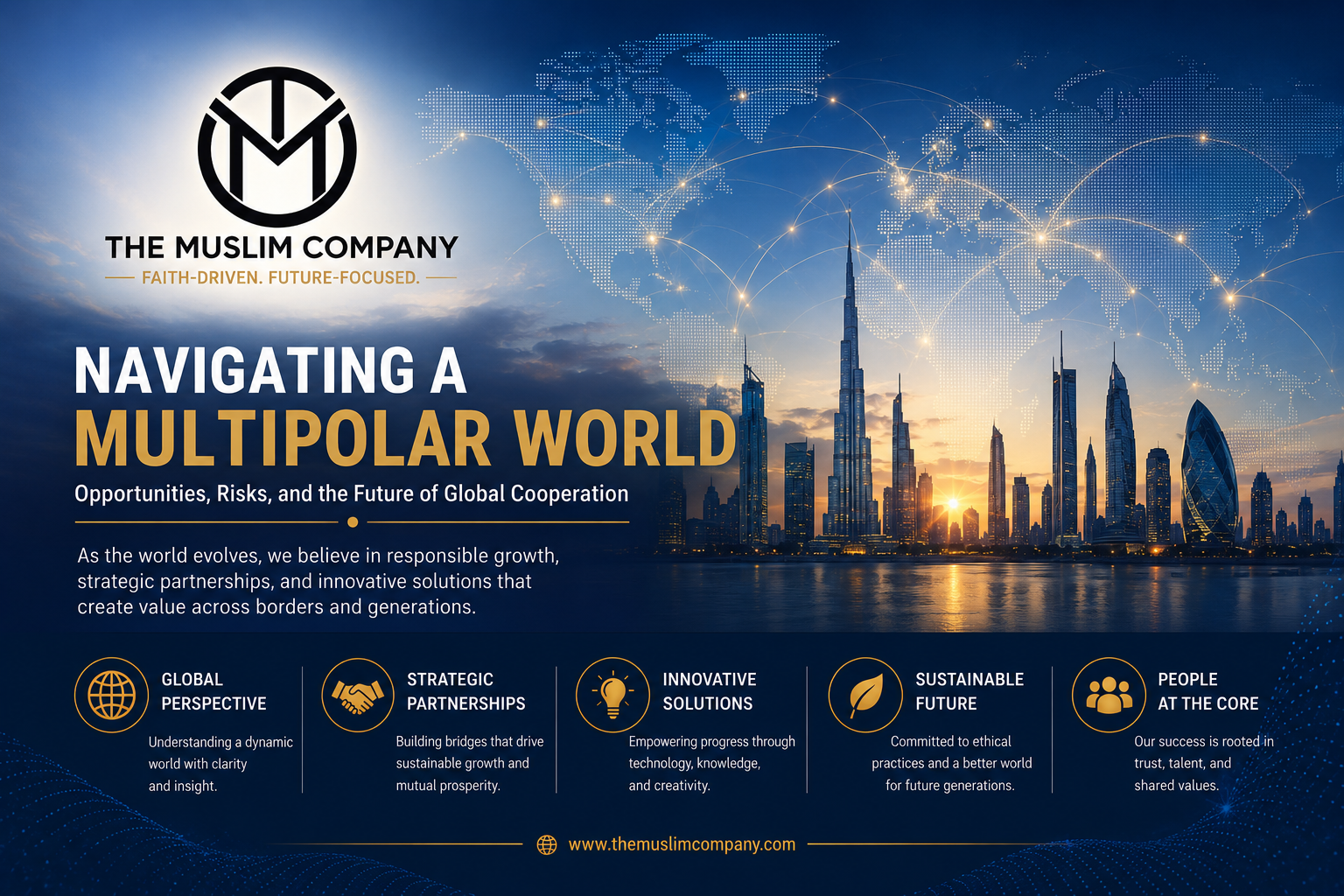
As the world transitions from a unipolar to a multipolar order, businesses, governments, and societies face unprecedented opportunities and challenges. From geopolitical shifts and economic realignments to technological competition and sustainability concerns, the global landscape is evolving rapidly. This article explores the key trends shaping international affairs and how organizations can adapt to thrive in an increasingly interconnected world.
# Navigating a Multipolar World: Opportunities, Risks, and the Future of Global Cooperation
The international landscape is undergoing one of the most significant transformations in modern history. Economic power is becoming more distributed, technological innovation is accelerating, and geopolitical relationships are evolving at an unprecedented pace. As nations, businesses, and communities adapt to these changes, understanding global affairs has become essential for sustainable growth and long-term success.
The Rise of a Multipolar World
For decades, global influence was concentrated among a limited number of major powers. Today, emerging economies are playing increasingly important roles in international trade, diplomacy, technology, and investment. Countries across Asia, Africa, the Middle East, and Latin America are contributing to a more balanced global system where influence is shared among multiple centers of power.
This transition is reshaping international institutions, trade partnerships, and strategic alliances. Organizations that understand these shifts will be better positioned to identify opportunities in new markets and navigate evolving geopolitical dynamics.
Economic Realignment and New Trade Corridors
Global trade is experiencing significant changes driven by regional partnerships, supply chain diversification, and digital transformation. Businesses are increasingly seeking resilient and flexible supply chains to reduce vulnerability to geopolitical tensions, economic disruptions, and unexpected crises.
Emerging trade corridors connecting Asia, Africa, and the Middle East are creating new opportunities for investment, infrastructure development, and economic cooperation. These developments are fostering greater connectivity and opening doors for innovation-driven growth.
Technology as a Strategic Asset
Technology has become a defining factor in global competitiveness. Artificial intelligence, cybersecurity, cloud computing, renewable energy, and advanced manufacturing are influencing national strategies and economic development plans worldwide.
Countries and organizations that invest in innovation, digital infrastructure, and talent development are likely to gain significant advantages in the coming decades. At the same time, responsible governance, ethical standards, and international cooperation will remain critical to ensuring that technological progress benefits society as a whole.
Sustainability and Climate Leadership
Climate change continues to be one of the most pressing global challenges. Governments, corporations, and civil society organizations are increasingly working together to accelerate the transition toward sustainable economic models.
Investments in renewable energy, green technology, environmental protection, and responsible resource management are becoming central components of national and corporate strategies. Organizations that prioritize sustainability are not only contributing to global well-being but also strengthening their long-term resilience and reputation.
The Importance of Dialogue and Cooperation
Despite political differences and strategic competition, global cooperation remains essential. Issues such as public health, environmental protection, economic stability, food security, and technological governance require collaborative solutions that transcend borders.
Constructive dialogue, mutual respect, and shared responsibility can help nations address common challenges while promoting peace, prosperity, and stability. In an interconnected world, cooperation is not merely an option—it is a necessity.
Preparing for the Future
The coming decade will likely be defined by rapid change, strategic competition, and unprecedented innovation. Organizations that remain adaptable, forward-thinking, and globally aware will be best positioned to succeed.
Success in the modern era requires more than financial strength or technological capability. It demands vision, ethical leadership, resilience, and a commitment to creating value for society.
As the world continues its transition toward a more interconnected and multipolar future, those who embrace collaboration, innovation, and responsible growth will help shape a more prosperous and sustainable global community.
Conclusion
Global affairs are no longer distant concerns reserved for policymakers and diplomats. They influence business strategies, investment decisions, technological development, and everyday life. By understanding emerging trends and fostering a culture of adaptability and cooperation, organizations can transform uncertainty into opportunity and contribute positively to the future of the world economy.
The future belongs to those who can navigate complexity with wisdom, responsibility, and a long-term perspective.
Global Affairs, International Relations, Geopolitics, Global Economy, Multipolar World, Global Cooperation, International Trade, Sustainable Development, Global Business Strategy, Future of Global Governance.